In the early stages of childhood development, finding the right balance between play and education is essential. Interactive educational wheel games for preschoolers have become a game-changer for parents and teachers alike. These spinning tools turn abstract concepts into a visual, hands-on experience that keeps young minds engaged.
Why Spinning Wheels are Effective for Early Learning
Using a preschool spinning wheel is not just about the excitement of the spin; it is a scientifically backed method to improve cognitive retention. When children interact with a digital or physical wheel, they develop critical hand-eye coordination and fine motor skills.
1. The Alphabet Discovery Wheel
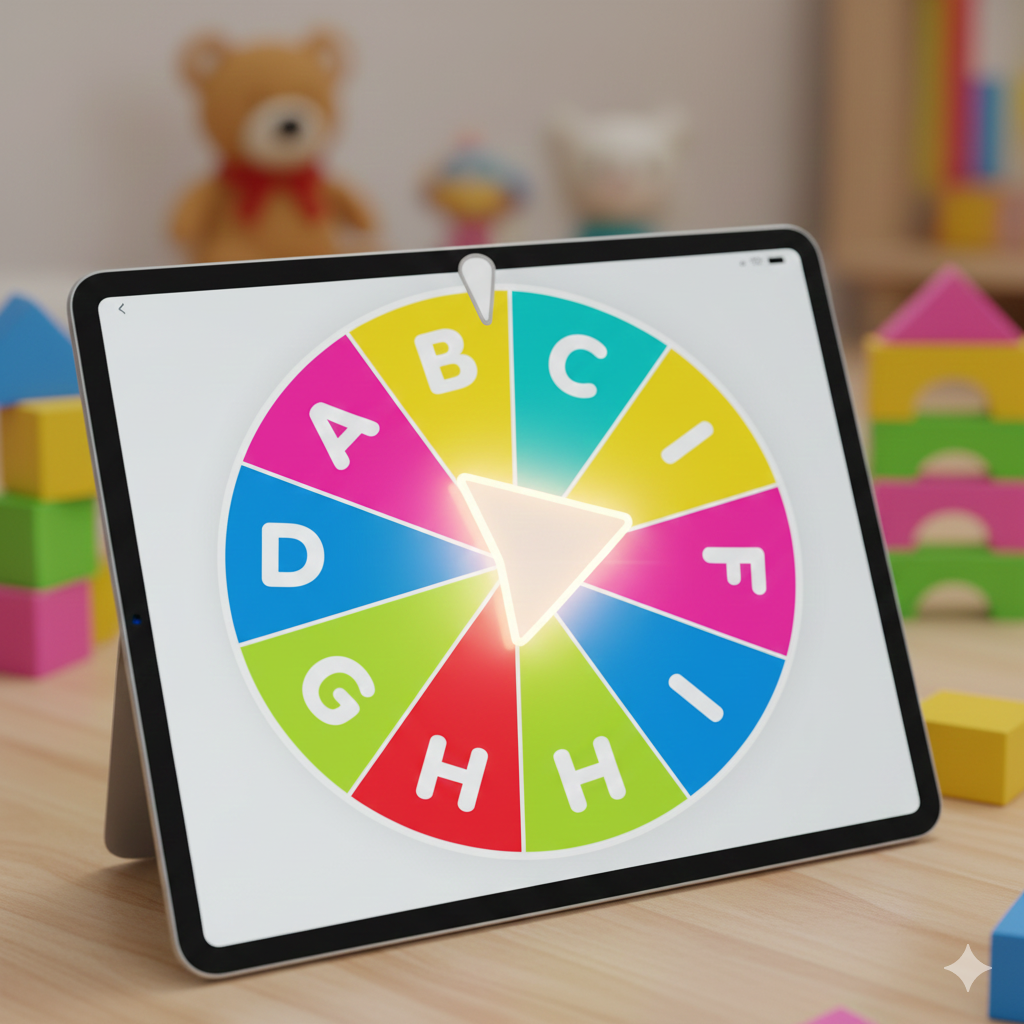
Learning phonics can be challenging for toddlers. An interactive wheel game allows kids to spin for a random letter and then associate it with an object or a sound, making the learning process feel like a reward.
2. Color & Shape Recognition
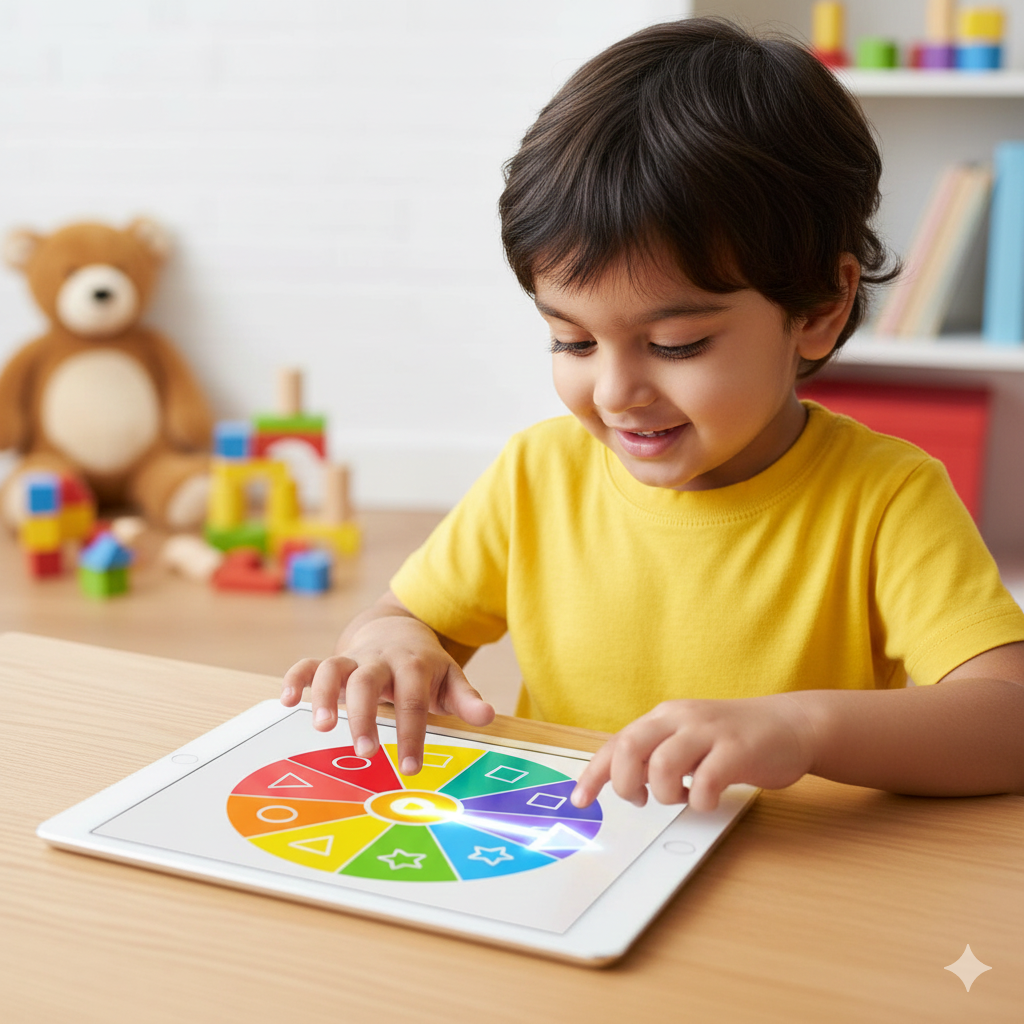
Visual learning is the most effective way for preschoolers to categorize the world. A colorful wheel divided into different shapes helps them recognize patterns and primary colors through repetitive motion.
3. Building Number Sense
Introduce basic math by using a wheel numbered 1 to 10. You can ask your child to spin the wheel and then count out that many snacks or toy blocks, building a strong foundation for arithmetic.
4. Emotion & Social Skills Wheel
Helping children identify their feelings is a huge part of social-emotional learning. A wheel featuring different facial expressions helps kids express whether they feel happy, sleepy, or excited today.
5. Animal Sound Identification
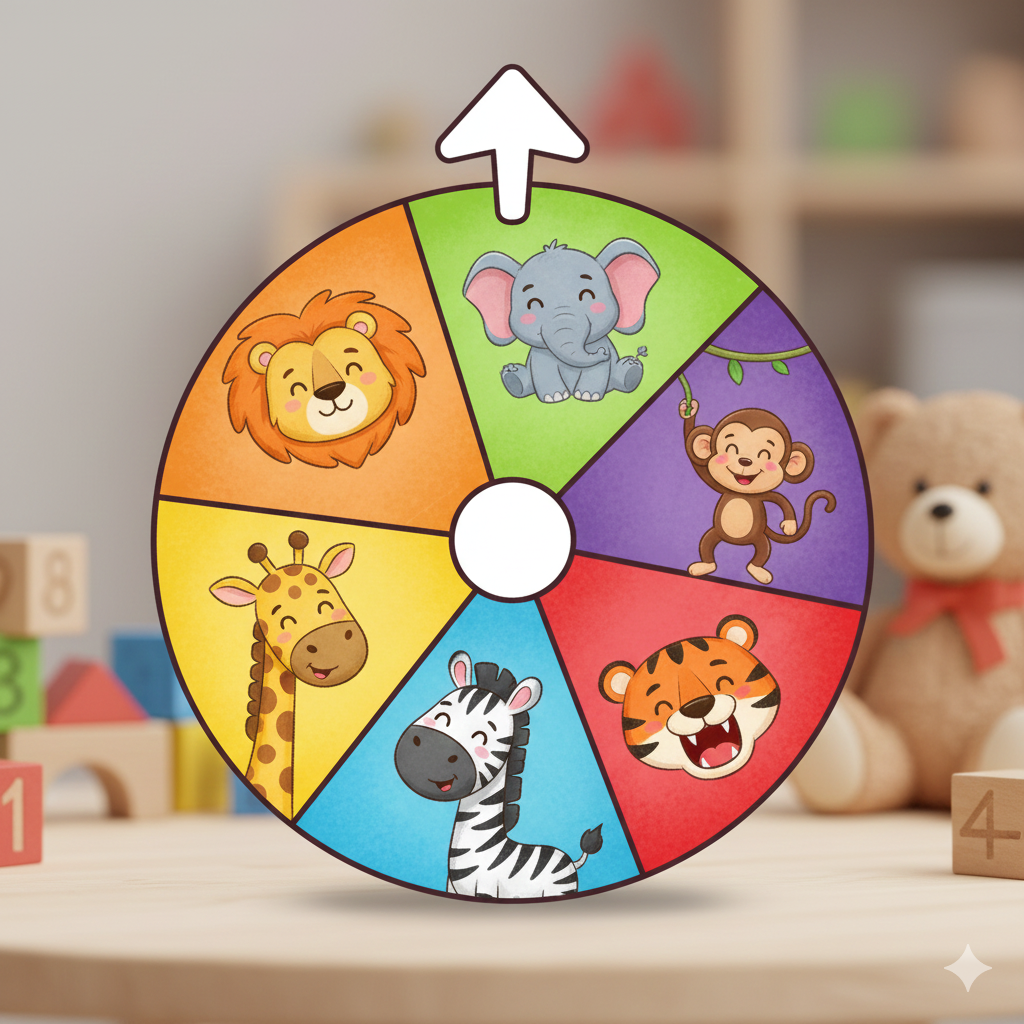
A spinning wheel with animals is perfect for auditory learners. Spin the wheel, and when it lands on a lion or a cow, have the child mimic the sound to strengthen their memory.