Teaching toddlers about fruits is one of the most important early learning steps for parents—especially in the USA, where healthy eating habits start at home. Traditional methods like picture books or simple charts often fail to hold a child’s attention for long. This is where a fruit wheel for kids becomes a game-changer.
A fruit learning wheel combines play, movement, and visual learning, helping toddlers recognize fruits while enjoying the process. Instead of forcing memorization, children learn naturally—by spinning, pointing, and interacting.
What Is a Fruit Wheel?
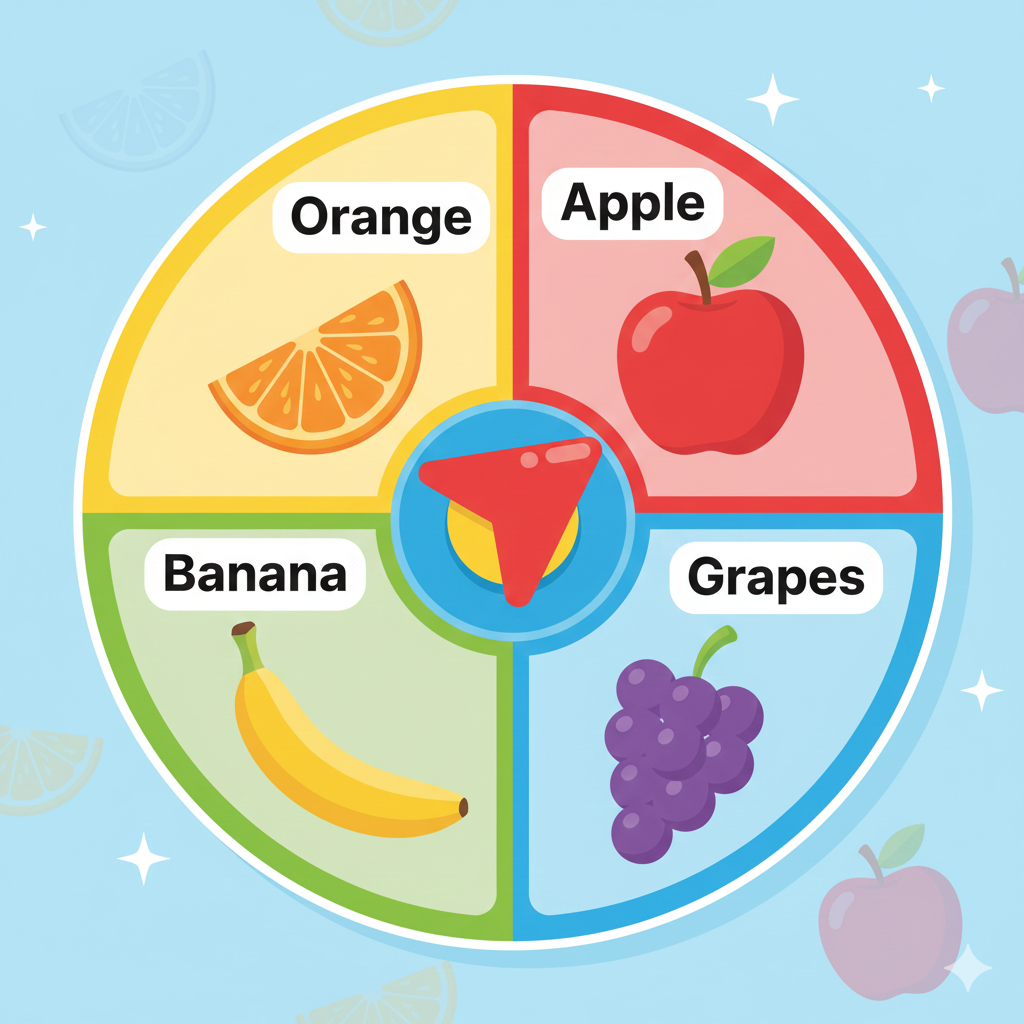
A fruit wheel is an interactive circular learning tool divided into sections, with each section showing a different fruit. Toddlers can spin the wheel and identify fruits by name, color, and shape.
Unlike static flashcards, a fruit wheel encourages:
- Active participation
- Curiosity-driven learning
- Better memory retention
This makes it ideal for toddlers aged 2–5 years.
Why Fruit Wheels Work Better for Toddlers
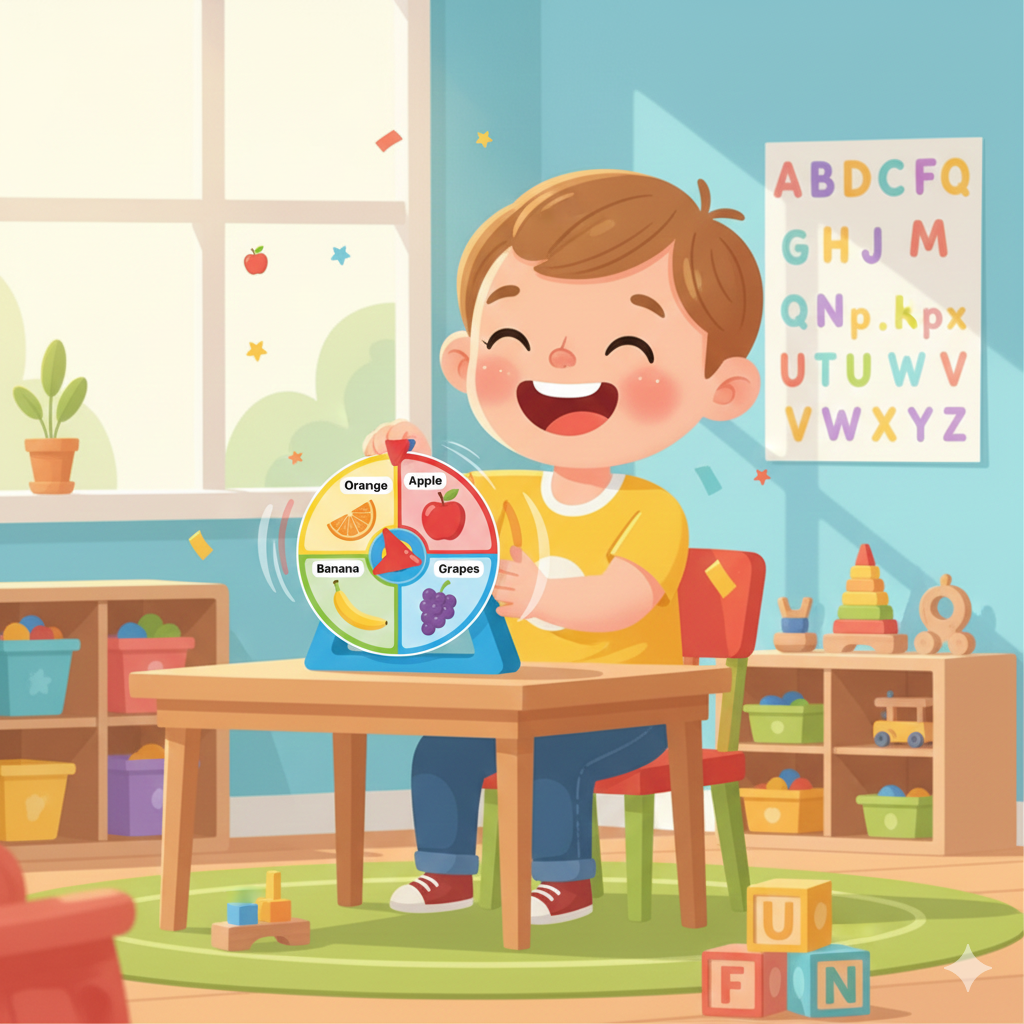
Toddlers learn best when multiple senses are involved. A fruit wheel naturally supports this learning style.
1. Visual Learning
Bright colors and familiar fruit shapes help toddlers instantly recognize and remember fruits.
2. Motor Skill Development
Spinning the wheel improves hand-eye coordination and fine motor skills.
3. Healthy Food Awareness
When children learn fruits early, they develop a positive relationship with healthy foods—reducing picky eating habits later.
How Parents Can Use a Fruit Wheel at Home
You don’t need long teaching sessions. Just 5–10 minutes a day is enough.
Step-by-Step Use
- Ask your child to spin the wheel
- Name the fruit together (“Apple!”, “Banana!”)
- Relate it to real life (“We ate this fruit today”)
- Talk about color and taste (sweet, juicy, crunchy)
This approach keeps learning relaxed and fun.

Fruit Wheel vs Traditional Learning Methods
| Method | Engagement | Fun Factor | Learning Retention |
|---|---|---|---|
| Flashcards | Low | Low | Medium |
| Books | Medium | Medium | Medium |
| Fruit Wheel | High | High | High |
The spinning action alone makes a fruit wheel far more exciting for toddlers.
Why Fruit Wheels Are Perfect for USA Parents
USA parents often look for:
- Screen-light learning options
- Montessori-inspired tools
- Healthy habit education
A fruit wheel fits perfectly because it:
- Encourages learning through play
- Supports early nutrition awareness
- Can be used without excessive screen time
It also aligns well with preschool and daycare learning methods used across the US.
Combine Fruit Wheel with Other Learning Wheels
For best results, fruit wheels work even better when combined with other interactive wheels such as:
- Body Parts Wheel (for self-awareness)
- Shapes Wheel (for early math skills)
Together, these wheels create a complete early learning system for toddlers.
FAQs – Fruit Wheel for Kids
What age is a fruit wheel best for?
Fruit wheels are ideal for toddlers aged 2 to 5 years, depending on the child’s development level.
Can a fruit wheel help picky eaters?
Yes. When children recognize fruits through play, they are more likely to try them during meals.
Is a fruit wheel better than flashcards?
For toddlers, yes. Fruit wheels provide movement, interaction, and fun—key factors in early learning.
Can fruit wheels be used in classrooms?
Absolutely. They are commonly used in preschools, daycare centers, and homeschooling environments.
How often should a child use a fruit wheel?
Short daily sessions of 5–10 minutes are more effective than long, forced lessons.
Conclusion: Make Fruit Learning Fun
Early education doesn’t have to feel like a task. With a fruit wheel for kids, learning fruit names becomes a joyful daily activity rather than a chore.
By combining play, movement, and healthy education, fruit wheels help toddlers build strong learning foundations—while parents enjoy watching their children learn happily.
If you’re already using learning wheels like body parts or shapes, adding a fruit wheel is the perfect next step toward a smarter, healthier learning journey.