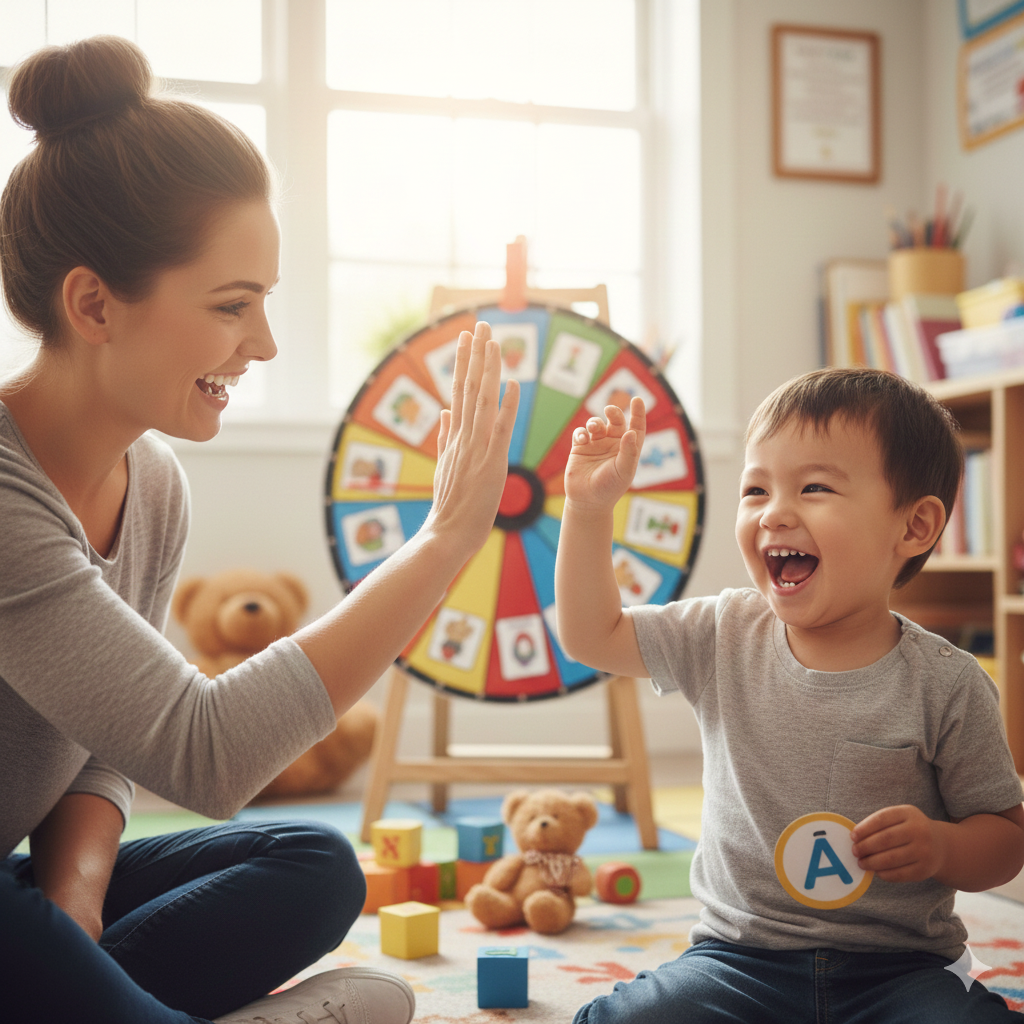
Teaching toddlers doesn’t require expensive toys or strict lesson plans. In fact, the most effective learning often happens through simple, playful activities that fit naturally into daily life. For parents in the United States looking for practical, stress-free ways to support early learning at home, the key is balance: a mix of guided screen time and hands-on, no-screen play.
This guide shares proven, parent-approved learning activities that help toddlers develop language, number sense, coordination, and confidence—without boredom or pressure.
Why Fun-Based Learning Works Best for Toddlers
Toddlers have short attention spans but unlimited curiosity. Research in early childhood education shows that young children learn faster when they are:
- Actively involved
- Emotionally engaged
- Free from pressure or forced repetition
Fun learning activities turn everyday moments into opportunities to build early literacy, numeracy, and problem-solving skills.
Screen-Based Learning Activities (Used the Right Way)
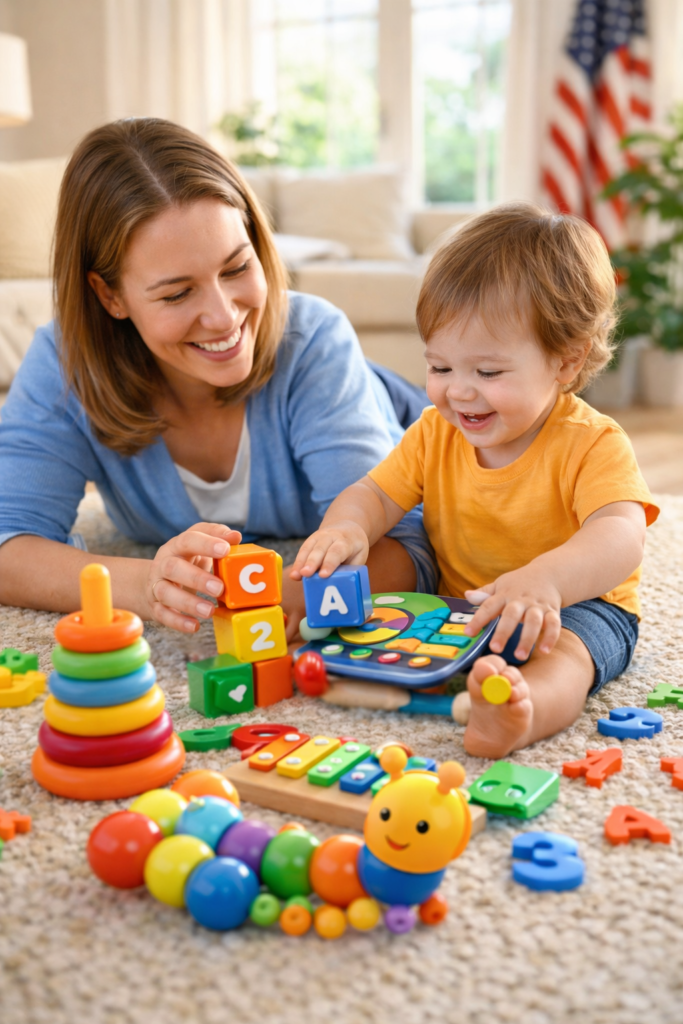
When used intentionally and in short sessions, screens can support early learning rather than replace it.
1. Interactive Alphabet Games
Games that allow toddlers to tap, drag, or select letters help reinforce alphabet recognition. Hearing letter sounds along with visuals strengthens memory and pronunciation.
Parent tip: Sit with your child and say the letter out loud together.
2. Number and Counting Games
Simple counting activities—like catching numbers or matching quantities—help toddlers understand basic math concepts without worksheets or drills.
No-Screen Learning Activities Parents Love
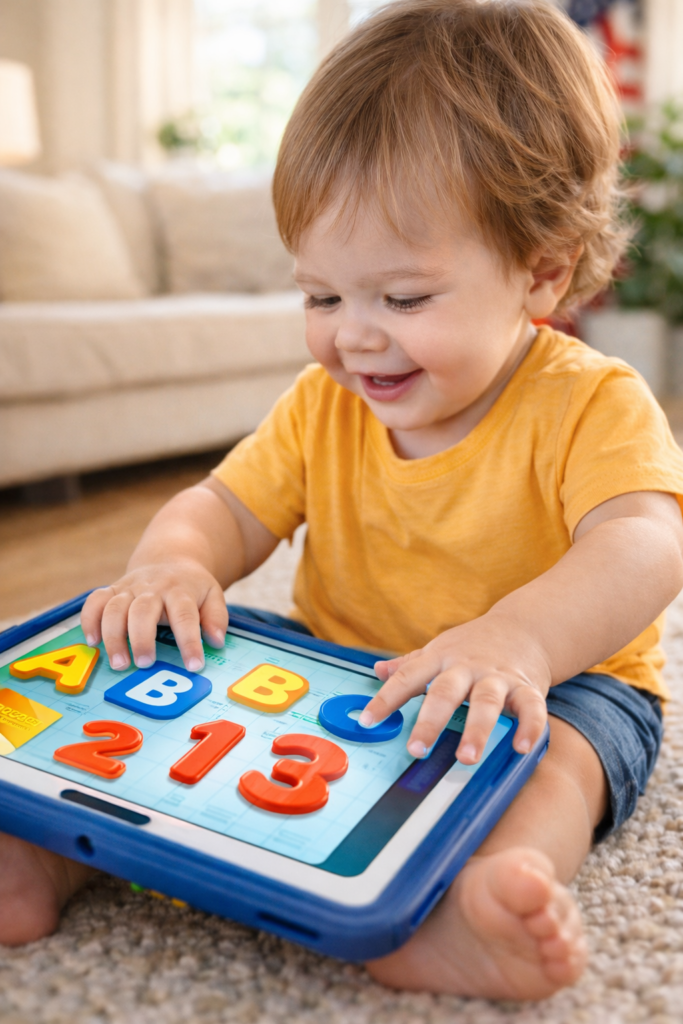
Screens aren’t necessary for learning. Some of the most powerful activities require only household items and your attention.
3. Color and Shape Sorting
Use blocks, cups, or toys to sort by color or shape. This builds early logic and classification skills.
4. Counting Everyday Objects
Count snacks, toys, or steps while walking. This naturally introduces numbers into daily routines.
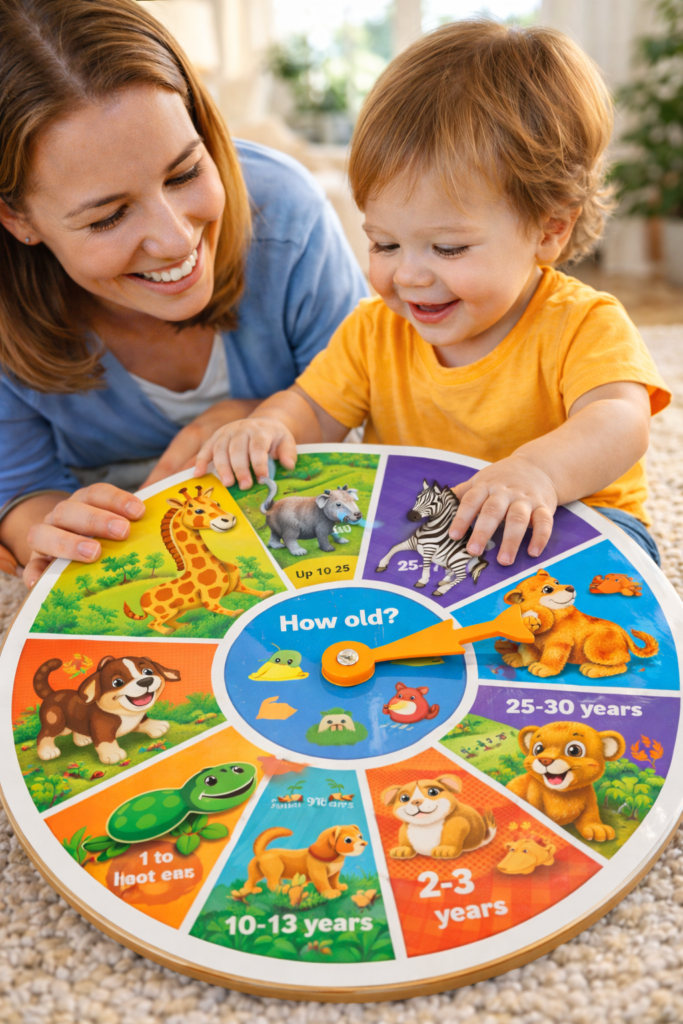
5. Animal Sound Games
Ask your toddler to match animals with sounds. This boosts vocabulary, listening skills, and confidence.
How to Balance Screen Time and Play
For toddlers, less is more. Most U.S. child development experts recommend:
- 10–15 minutes of guided screen learning
- Followed by hands-on or movement-based play
The goal isn’t to eliminate screens but to use them as tools—not babysitters.
Building a Daily Learning Routine (Without Stress)
Consistency matters more than duration. Even one short learning session per day can make a difference when it’s positive and engaging.
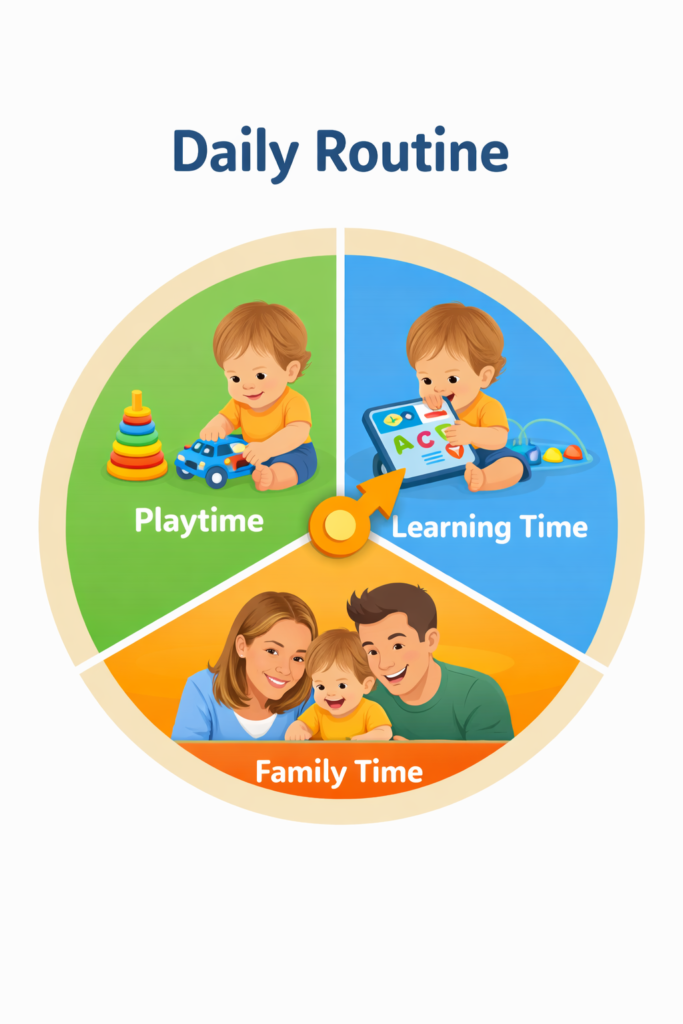
Try this simple routine:
- Morning: No-screen activity (sorting, counting, reading)
- Afternoon: Interactive learning game
- Evening: Storytime or calm play
Frequently Asked Questions (FAQs)
What age should toddlers start learning alphabets and numbers?
Most toddlers show interest between ages 2–3. Follow your child’s curiosity rather than forcing lessons.
How much screen time is safe for toddlers?
Short, supervised sessions (10–15 minutes) of educational content are generally considered appropriate.
Can games really help toddlers learn?
Yes. Interactive games encourage active participation, which helps with memory, coordination, and confidence.
Do I need expensive learning tools?
No. Everyday items, simple games, and parent involvement are more important than costly products.
Final Thoughts: Learning Should Feel Like Play
Early learning isn’t about racing ahead—it’s about creating positive experiences. When toddlers associate learning with fun, encouragement, and connection, they become more curious and confident over time.
By combining simple at-home activities with thoughtful digital tools, parents can create a learning environment that feels natural, joyful, and effective.