The Power of Gamified Learning: 10 Benefits of Gamification in Education for Kids:
Discover how the power of gamified learning improves student engagement. Explore gamified learning benefits, examples, and why game-based learning is effective for kids.
In the modern digital era, the traditional “chalk and talk” method is fading away. Today, the Power of Gamified Learning is taking center stage, transforming how children absorb information. But what is gamified learning, and why is every top-tier educator switching to game-based learning for early childhood?
Let’s dive into how playful learning strategies and interactive learning through games are shaping the future of smart classrooms.
1. What is Gamified Learning? (Traditional vs. Modern)
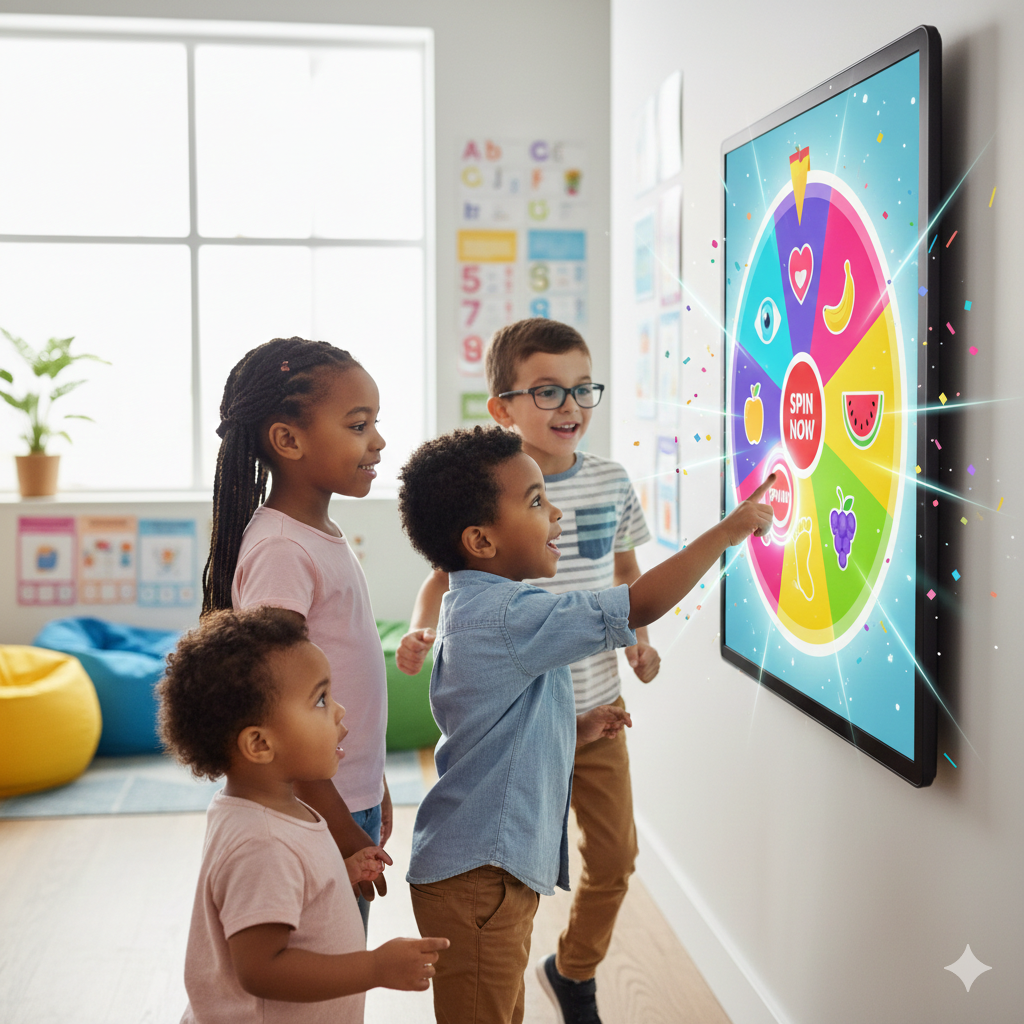
When we talk about gamification in education, we aren’t just talking about playing video games. It is the integration of game-like elements—such as points, rewards, and “Spin the Wheel” mechanics—into the educational syllabus.
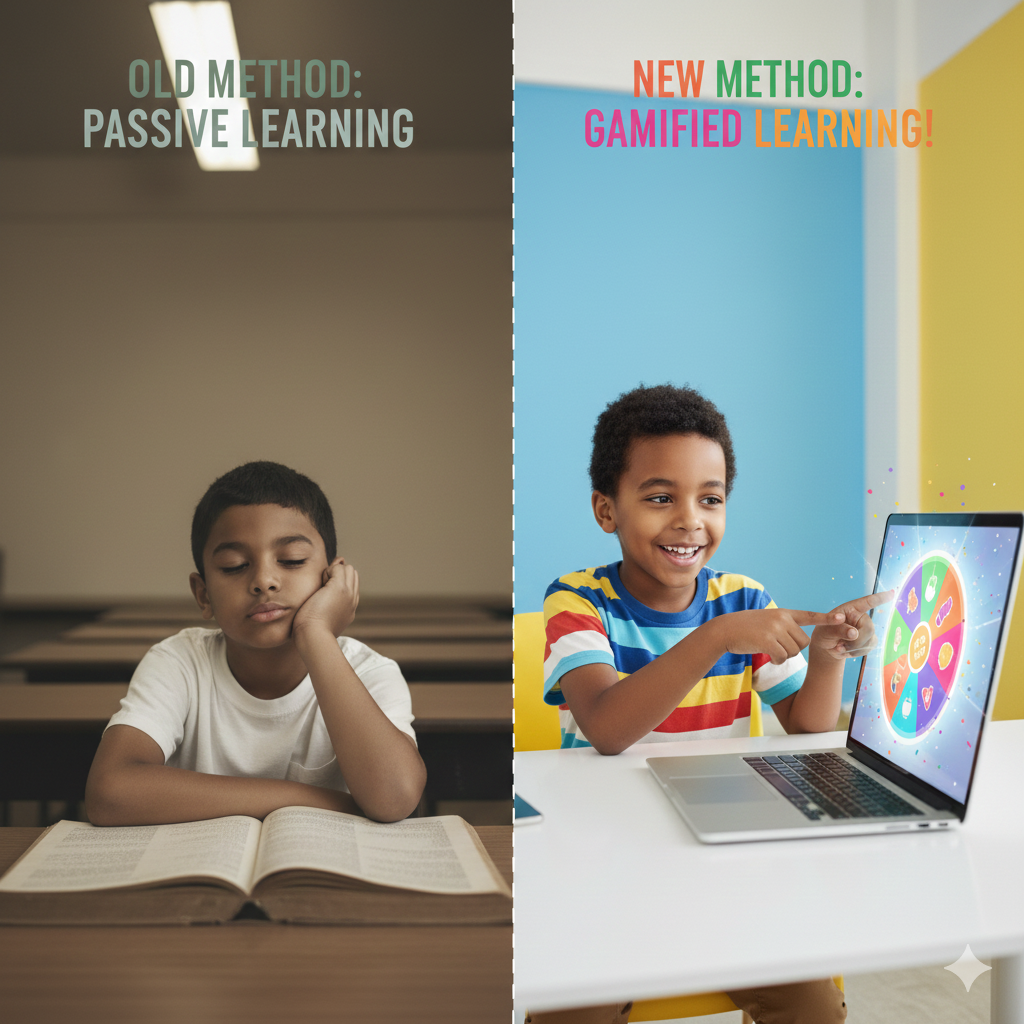
Comparing gamified learning vs traditional learning, the biggest difference is Active Participation. Instead of being passive listeners, children become active players in their own education.
2. Why Gamified Learning is Effective: The Science of Engagement
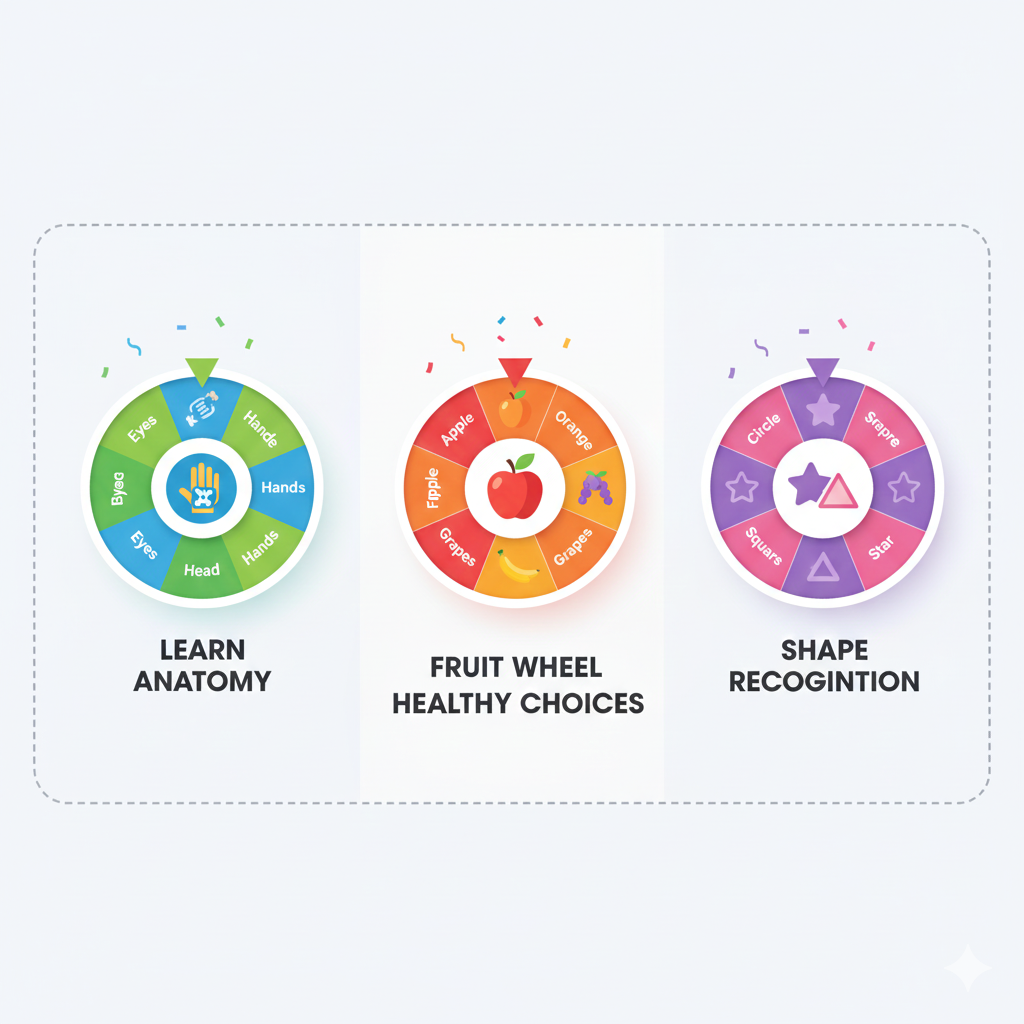
The main reason why gamified learning is effective lies in the brain’s dopamine response. When a child uses a “Random Fruit Picker” or a “Shapes Wheel,” the element of surprise triggers curiosity.
- How gamified learning improves student engagement: It turns a boring vocabulary lesson into a high-stakes challenge.
- Motivation through game-based learning: Rewards and instant feedback (like the confetti and applause in your wheels) keep kids coming back for more.
3. Key Benefits of Gamified Learning for Kids
If you are a parent or a teacher, understanding the advantages of gamified learning can help you choose the right tools.
- Cognitive Development: Brain development games for kids improve memory retention by up to 40%.
- Spatial Awareness: Using tools like a Shapes Wheel helps in learning games for toddlers by teaching them geometry through visuals.
- Healthy Habits: Interactive tools like a Fruit Picker Wheel make kids learning activities at home fun, encouraging them to pick healthy snacks.
4. Classroom Gamification Ideas & Examples
Teachers are always looking for gamified learning examples in the classroom. Here is how you can use digital spinners today:
- Simon Says with a Twist: Use a Body Parts Wheel to decide which part the students need to point to.
- The Art Challenge: Spin a Shapes Wheel and ask students to draw an animal using only that shape.
- Vocabulary Race: Use a Fruit Wheel to start a spelling bee or a pronunciation contest.
5. Gamified Learning for Primary Students: A Parents’ Guide
For parents, fun learning methods for children are essential for homeschooling. Instead of forcing a toddler to sit with a book, try educational games for children that involve movement and sound. Child-centered learning games empower the child to take control, making them feel like a winner every time the wheel stops.
6. Conclusion: Is Gamified Learning Effective?
The answer is a resounding YES. By combining playful learning strategies with digital tools, we are not just teaching; we are inspiring. Whether it’s through educational games for smart learning or simple classroom spinners, the goal is to make education a journey, not a chore.